
By Dr. Dongju Yeom, M.D., Ph.D. · Founder, Gangnam Smile Eye Clinic, Seoul
Quick answer
What is myopia?
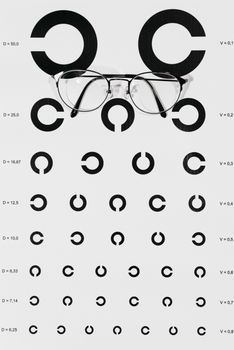
Myopia is the most common refractive error. The eye is slightly too long, or the cornea too steeply curved, so light comes to a focus in front of the retina instead of on it. Road signs, whiteboards and faces across a room look soft, while reading and phone use stay comfortable.
Common signs
- Squinting to see distant objects
- Eye strain or headaches after driving or screen work
- Difficulty seeing at night
- Needing to sit closer to screens
How myopia is measured
Myopia is written as a minus number in diopters (D). Roughly, up to −3.00 D is considered mild, −3.00 to −6.00 D moderate, and beyond −6.00 D high myopia. Corneal thickness, corneal shape and pupil size matter just as much as the prescription when choosing a correction method.
Treatment options with Dr. Yeom
Glasses and contact lenses correct myopia but do not change the eye. For permanent correction, Dr. Yeom evaluates whether a flap-free SMILE procedure, surface laser (2DAY LASEK) or an implantable lens (EVO ICL or ECHO ICL) suits your eyes.
Frequently asked questions
Can myopia be corrected permanently?
Laser vision correction or lens implants can reduce or remove dependence on glasses for most suitable candidates once the prescription is stable.
Does myopia keep getting worse?
Myopia often progresses through the teens and early twenties. Surgery is usually considered once the prescription has been stable for about a year.

Dr. Yeom's perspective
Dr. Yeom's guiding principle is that there is no single "safest" procedure for everyone. The right correction for myopia depends on your corneal thickness, prescription, lifestyle and the results of a comprehensive examination, and he recommends only what your eyes truly need.
Dr. Dongju Yeom, M.D., Ph.D.
Inje University College of Medicine · Ophthalmology residency, Seoul Paik Hospital · KOS, KSCRS & ESCRS member
Related pages
Talk to Dr. Yeom about your eyes
WhatsApp / English line +82-10-5772-0210 · Mongolian line +82-10-4380-0210 · Gangnam Station Exit 10, Seoul
This page is for general education and does not replace a personal examination.